Oregon Public Broadcasting reported a November 6, 2026 ribbon cutting at Panthalassa’s factory in Vancouver, Washington. In May, the Portland-based company said it would use part of a Series B financing to complete a pilot manufacturing facility near Portland and accelerate deployment of its Ocean-3 nodes. The company describes nodes designed to generate power from waves and run AI inference onboard.
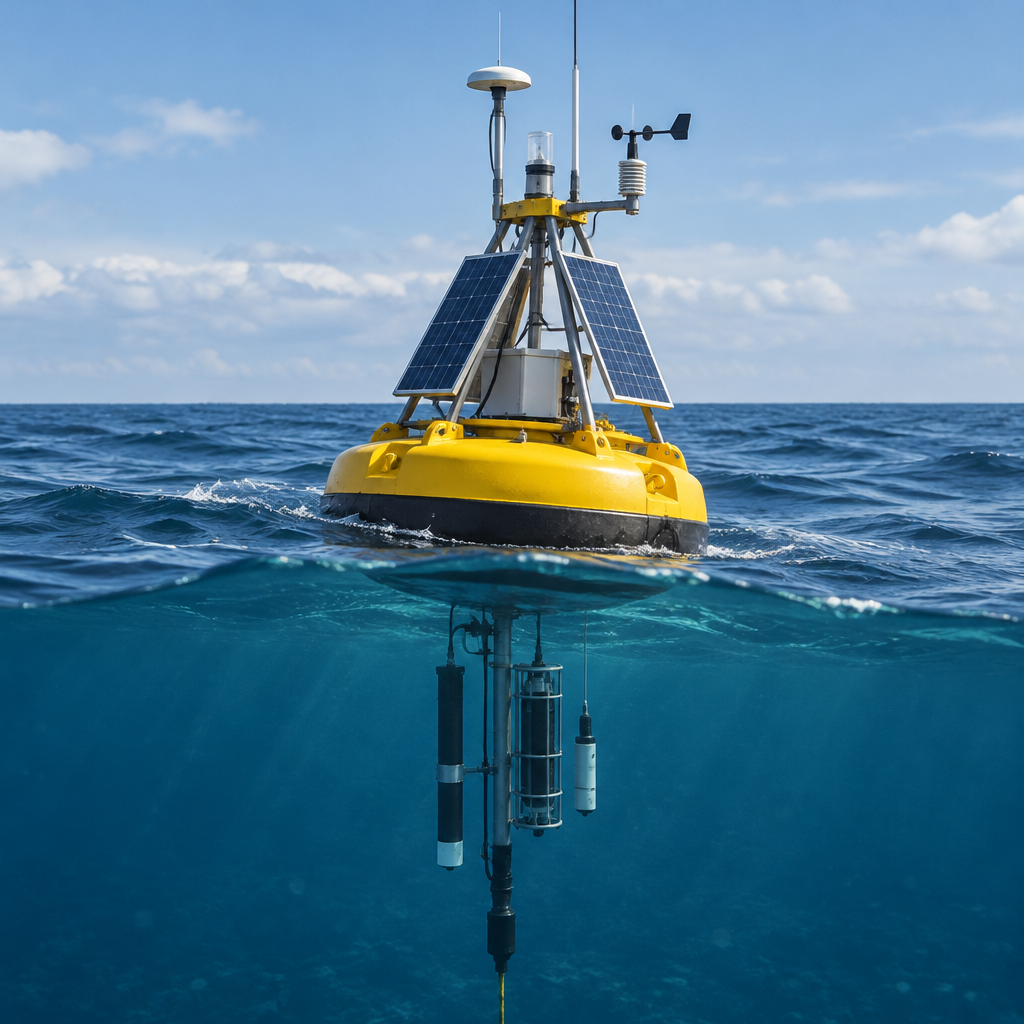
Follow one job from request to result
A factory ceremony tells you where equipment can be built. To understand a computing pilot, look for evidence that a deployed unit received a defined job, ran it and returned a usable result. A test that records only the energy generated does not answer what happened to the job. A test that records only completed jobs does not explain how often work had to wait.
- Name the unit and observation period. A short demonstration and a longer operating trial answer different questions.
- Record attempted, completed and retried jobs. Include results that arrived too late to use.
- Note interruptions in power or communications and whether the unit resumed, restarted or left the job incomplete.
- Keep the conditions with the result. One successful period does not establish year-round performance.
In a fictional trial, eight of ten requests return on time and two arrive late after retries. The completion count is ten; the on-time count is eight. Keeping both figures helps readers distinguish whether the machine finished the work from whether the service met the agreed timing. These figures do not describe Panthalassa’s equipment.