A practical way to read Torus Foundry’s timing claims
Torus announced Foundry on November 11, 2026, positioning it as a modular AI infrastructure offering aimed at faster deployment. For U.S. buyers trying to understand when “first inference” can realistically begin, the key is to separate three different clocks: the vendor’s contract-to-running-workload timeline, the site readiness questions that belong to the buyer, and the moment a customer workload is actually accepted for use.
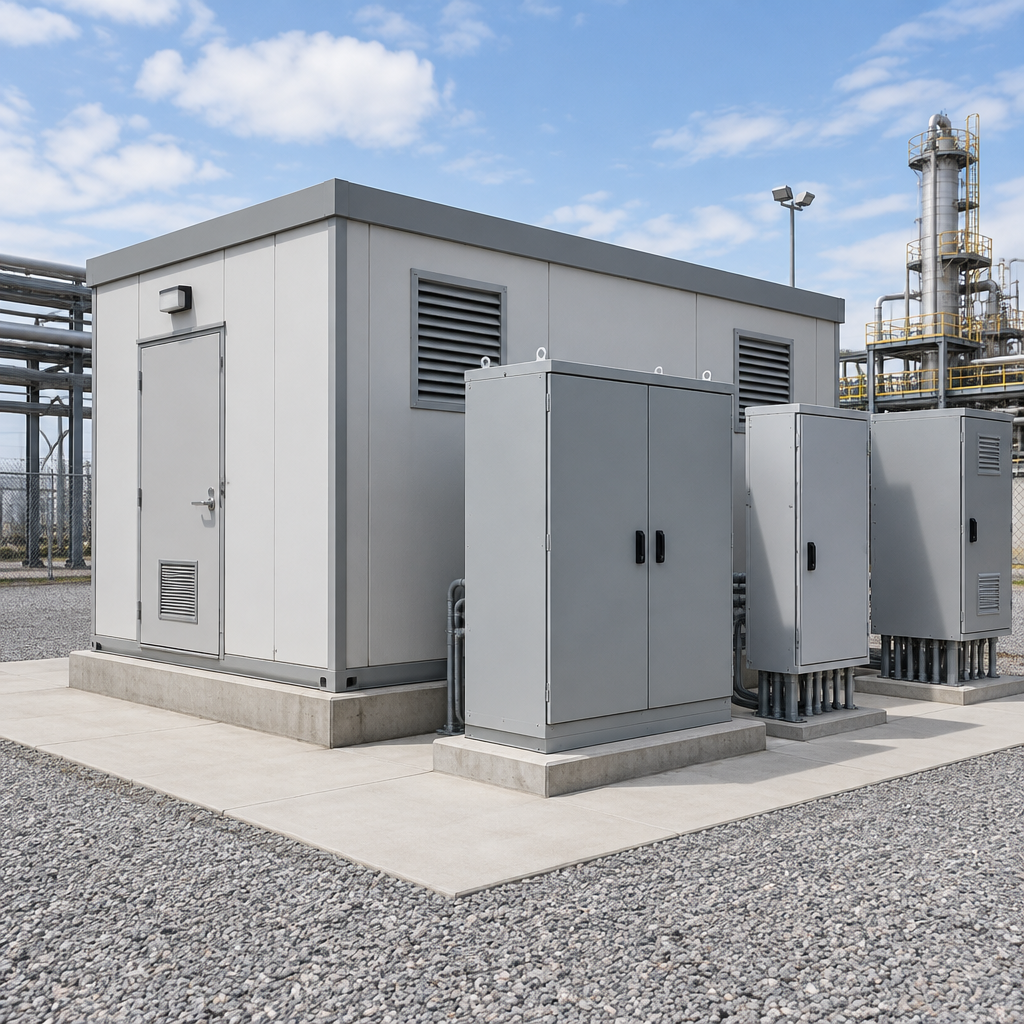
Torus describes Foundry as factory-tested modules that combine compute, power, networking, and cooling at sites with existing grid connections. Its launch announcement gives a target of 12 to 16 weeks from contract to a running workload. It also estimates about a week for site preparation and one to two days for on-site installation and commissioning. The announcement does not say which steps overlap, so don’t add those figures together or treat them as a guarantee for your site.
What starts the vendor’s clock
For a buyer worksheet, the first question is simple: what exact agreement starts Torus’s clock? In practice, that may mean the signed contract, a fully executed order, or another document the parties identify in writing. The important part is to define the trigger before anyone expects timing to begin.
The worksheet should also ask what conditions must be met before Torus’s timing target can begin. Examples of buyer questions include whether the site-specific power path is confirmed, whether any required service or utility coordination is complete, and whether the intended delivery location is ready for the equipment. Torus describes existing grid interconnections, but that should not be read as proof that power is approved, available, or usable at a given site.
What should be ready before delivery
Before delivery, the buyer should confirm the site-specific readiness items that matter for the project, while keeping them separate from vendor claims. Ask whether the required power and service confirmation has been completed for the location. Ask whether the site has been prepared for placement and whether the network handoff is ready for the intended workload environment.
This is also where buyers should be careful about language. A unit can be installed and commissioned without the buyer yet accepting a workload on it. Likewise, a connection being described as available does not prove permission, usable power, or operational approval at a particular site. Those are separate questions that should be answered in writing.
What ends the buyer’s clock
Before delivery, name a test workload and write down the response you expect. The buyer’s acceptance milestone comes after that workload runs and the responsible owner signs off on the result. A ping, console login, or power-on check does not show that the workload passed.
For example, have the owner record whether an approved test request reached the service and returned the expected response. Keep the test result and signoff separate from the commissioning record.
Example: the unit is ready, but network access is pending
Imagine a fictional U.S. site where Torus has finished delivery, the enclosure is installed, and on-site commissioning is complete. Power is available to the unit, but the buyer’s network access approval is still pending because the internal security team has not signed off on the network handoff. In that case, the installation and commissioning gate may be closed, but the workload acceptance gate remains open. The unit exists and is ready in a physical sense, yet the buyer still cannot claim the first approved test workload has started.
Torus launch announcement via Business Wire syndication