Orion Innovation announced general availability of its next-generation OI Nebula suite on November 3, 2026. The company describes a platform that coordinates AI agents across software planning, development, testing, security and deployment, with human review and governance controls. A useful evaluation starts with one question: could a reviewer who missed the work explain exactly what changed, what was checked and who approved it?
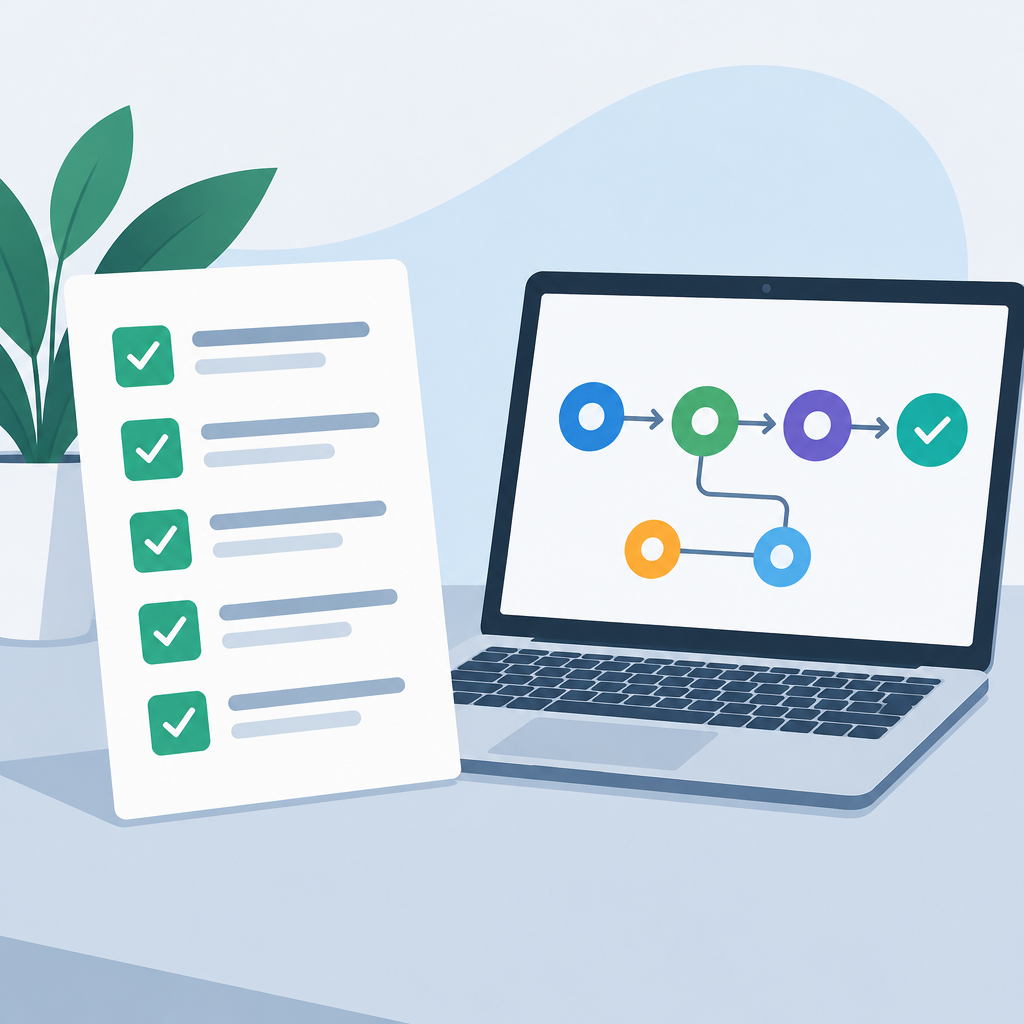
Choose a change small enough to follow
In a fictional inventory application, ask the team to add an export field to a staging build. Write down which records may be exported, which accounts may run the export and what should happen when a record has no value for the new field. Give the reviewer a fixed set of expected outcomes before the automated workflow starts.
Follow the evidence across the handoffs
Ask the team to trace each expectation to the proposed change and to the corresponding test result. Open the failing result if there is one and check which build produced it. When the change is revised, confirm that the approval points to the revised build and that earlier evidence remains distinguishable. A successful test on an earlier version cannot tell you what the final version does.
Test whether the reviewer can stop the release
In staging, leave one required check incomplete and see what the configured workflow does. Record whether it stops, who is told, what information the reviewer receives and what the team needs to do before trying again. If your organization allows exceptions, document who can grant one and what reason must be recorded. Keep this exercise separate from a production deployment.
Orion’s announcement establishes the launch and describes the controls the company offers. The exercise is a way to test those claims against your own release process. Its result should be a short record another reviewer can follow, including the request, the approved build, the test evidence and the release decision.