IBM and the University of Chicago unveiled an operating IBM Quantum System Two at Hyde Park Labs on November 6, 2026. Passersby can see the machine through street-level windows. For a team considering a research project, that public view answers where the computer is today; it leaves open how the team could submit a job.
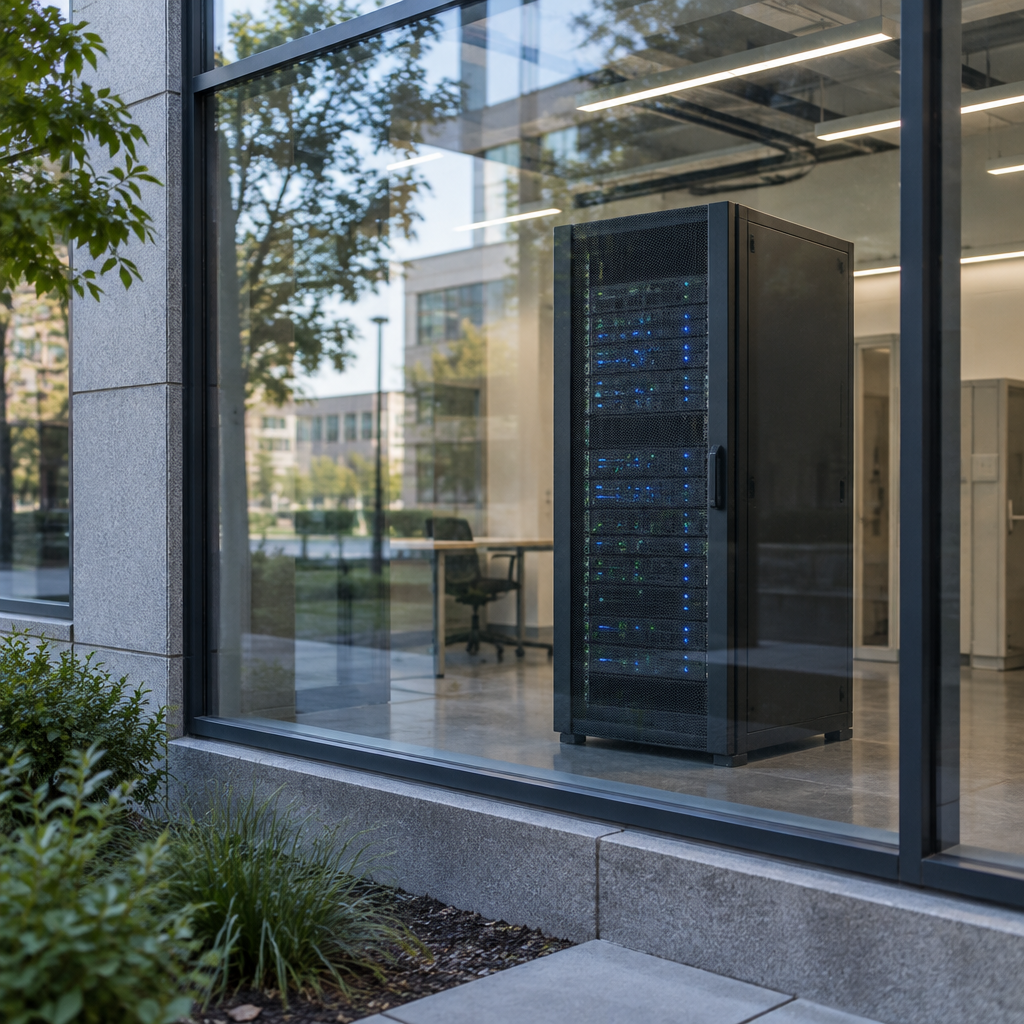
Separate the machine from its future address
IBM identifies the installed processor as a Nighthawk r2. The system supports the National Quantum Algorithm Center, a collaboration involving researchers and industry. The University of Chicago is hosting the machine while the Illinois Quantum and Microelectronics Park is being built. Both organizations describe a planned move to the park. A project brief can name Hyde Park Labs as the current location and the park as the intended long-term home without assigning a move date.
Ask what the access arrangement covers
The university describes a commitment from IBM to support startups in the Duality accelerator with technical expertise and access to IBM quantum computers, including Quantum System Two. That is a named program route. The announcement does not establish open job submission to the Chicago installation or specify a particular outside team's account, capacity, fees or start date.
If a program says it provides access to quantum hardware, ask which system or processor it covers and how work is submitted. A program may describe a class of systems without assigning each team to a specific installation. Use the program's answer to decide whether physical location matters to the experiment.
Write a brief before booking time
- System: name the processor or backend the experiment needs, and note whether alternatives are acceptable.
- Access: record the program or account, its eligibility rules and who confirms permission.
- Capacity: ask how much time or how many jobs are available and when they can be used.
- Evaluation: identify the result you will measure and the classical or simulated baseline you will use for comparison.
Consider a fictional startup testing a small scheduling experiment. Its team can see the Chicago computer and has a circuit ready to try, but has no confirmed account. The experiment is still in preparation. After an authorized program identifies a backend and access window, the team can record those details and plan the run. Comparing the measured result with a baseline is a separate step; the machine's location and processor name do not establish an improvement.
Keep the three answers visible
A useful summary records the operating site, the planned relocation and the team’s confirmed route to run work. Update each entry when evidence changes. That keeps a real installation milestone from becoming an unsupported promise about access or experimental performance.