Qualcomm announced on November 4, 2026, that SpaceX selected its Dragonwing equipment and software for Starlink Mobile’s planned U.S. terrestrial 5G network. SpaceX plans to start deployment in 2027. That date marks the beginning of a rollout, so it cannot tell you when you could buy service or use it at home.
What Qualcomm is supplying
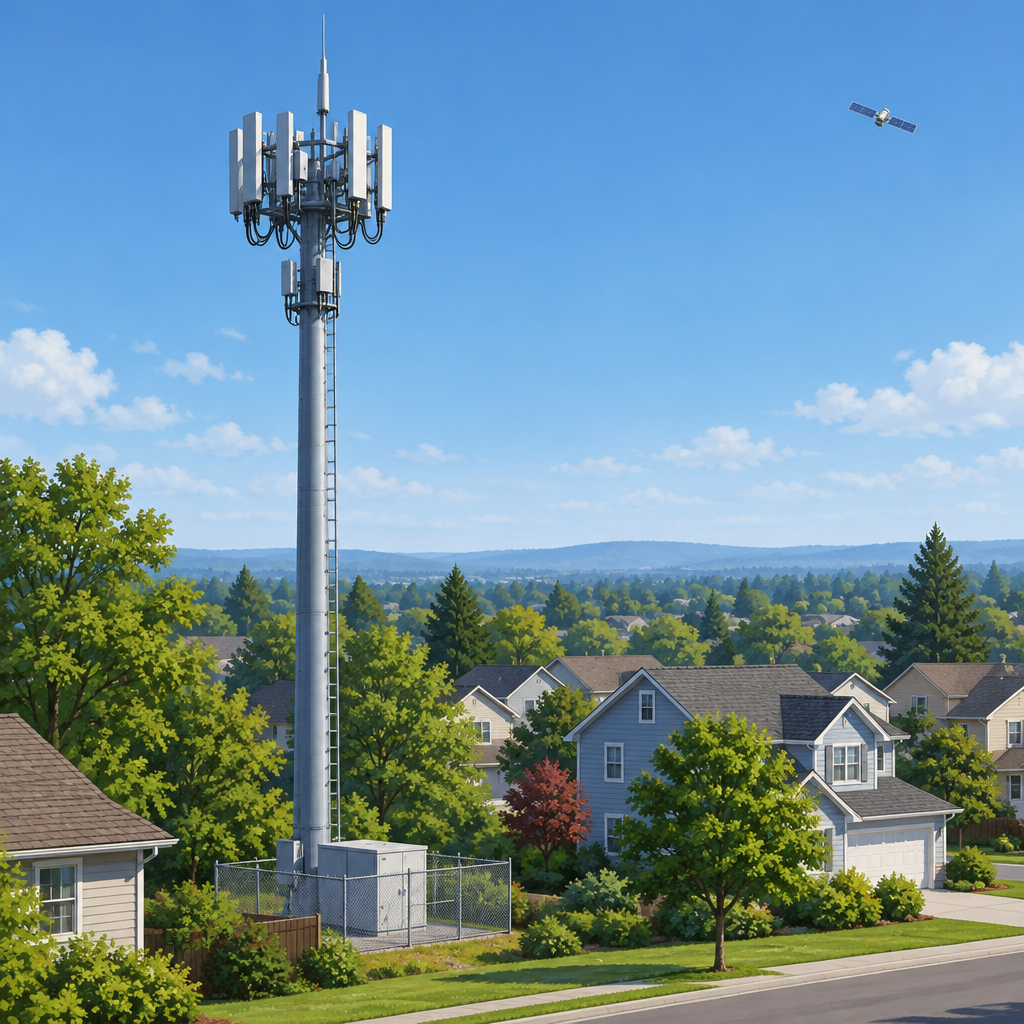
The agreement covers technology for terrestrial base stations, the equipment on the ground that connects nearby phones and other devices to a cellular network. Qualcomm named its QRU100 and QDU100 platforms and Layer 1 software, which helps process the radio signals that carry data. Qualcomm says the equipment is designed to use radio spectrum more efficiently and serve more traffic. The announcement does not provide measured speeds or coverage at any particular location.
A ground-based cell site and a satellite link are different ways to reach a device. A phone’s ability to use a satellite service does not establish that the same phone will work on a future ground network, or that the same features will be available on both. Treat terrestrial coverage, satellite coverage and plan eligibility as three separate questions.
How to read the 2027 date
Qualcomm says the agreement spans multiple years and calls for tens of thousands of sites over that period. A count for the full agreement is different from the number of sites expected to operate in the first year. The announcement does not give a city-by-city launch list, consumer plan prices or a device compatibility list.
Three checks before changing carriers
First, look for a live coverage map or an address checker that identifies terrestrial service. Check your home, workplace and usual routes separately. Second, verify your exact phone model and whether the plan includes the features you use, such as hotspot data or roaming. Third, where a trial is offered, test the service indoors and during the hours you normally use it before transferring your number.
Consider a fictional commuter who can get service at work but has an unconfirmed home address. The work result answers only one of the checks. Keeping the current plan until home coverage is confirmed or tested avoids making the switch based on a nationwide rollout headline.
Qualcomm: November 4 Starlink Mobile infrastructure announcement