Momentus announced on November 3, 2026 that OQ Technology selected its Vigoride-9 mission to host a 5G Narrowband Internet of Things payload. The release schedules launch for Q4 2027 and describes an expected multi-month operating mission. For a business planning remote monitoring, the useful next question is whether a specific terminal and reporting requirement fit the service being evaluated.
Momentus’ November 3 hosted-payload announcement
Read the device qualification
Momentus describes payload electronics, a feeder board and an antenna integrated aboard its orbital service vehicle, intended to expand OQ’s network. Separately, OQ’s product page describes bringing a 5G NTN device compatible with 3GPP Release 17. That compatibility wording is a useful supplier question; it does not verify the configuration of a device already installed at your site.
OQ Technology’s product compatibility description
Define one reporting job
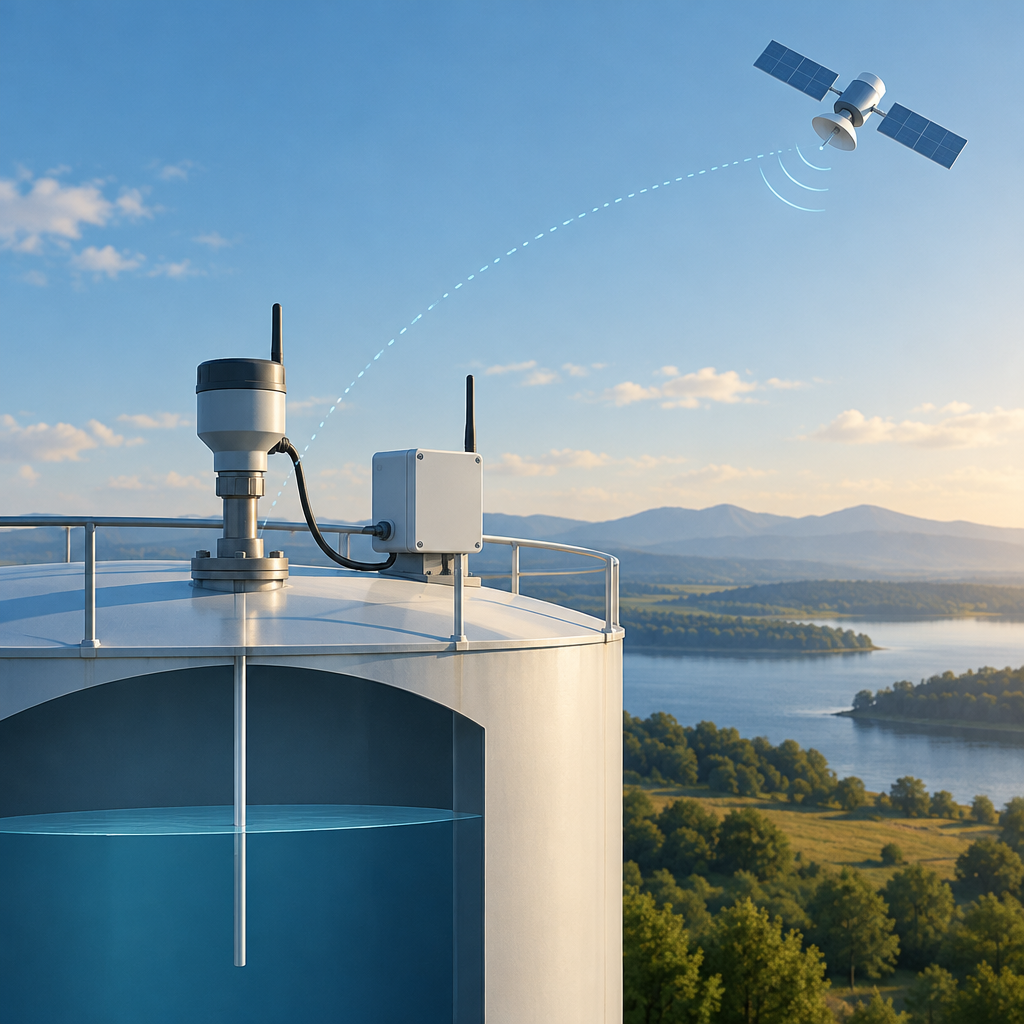
Consider a fictional team monitoring a demonstration water tank. It wants one level reading every hour in its application. The tank, devices and timing below are invented planning examples, not OQ specifications or observations of a customer installation.
Write down the exact terminal model, software version, antenna arrangement and intended location. Ask the supplier to confirm the supported combination, applicable service availability and how the terminal is provisioned. Keep the answer tied to that configuration. A broad standards label cannot answer every question about a complete installation.
Then define what the hourly requirement means. Does the team need the sensor to take a reading on the hour, the terminal to attempt transmission on the hour, or the application to display a fresh reading by a deadline? Those are different acceptance conditions. Record the required condition before evaluating a demonstration.
Keep three times in the test record
In an authorized pilot, record when a sample was measured, when its message reached the receiving service and when the application displayed it. Use a consistent time reference and identify the sample so those records can be matched. This is a proposed test method, not a claim that the network automatically exposes all three timestamps.
For example, a fictional reading measured at 10:00 might appear in the application at 10:20. Its measurement is twenty minutes old at display time. That arithmetic says nothing about which component caused the delay. Investigate the terminal, transmission, receiving service and application records before assigning a cause.
Repeat the exercise with an intentionally missing training message. Decide how the application distinguishes a stale reading from a new reading with the same value, and who investigates an unresolved gap. Ask about retry behavior and message identifiers rather than assuming a particular delivery guarantee.
Separate the future payload from a present offer
The announced mission is a future expansion plan. For a current purchase, request current device eligibility, geographic availability, commercial terms and documented performance for the intended reporting job. Keep those answers distinct from the planned launch quarter. No terminal, coverage, message latency, service availability or customer application was tested for this article.