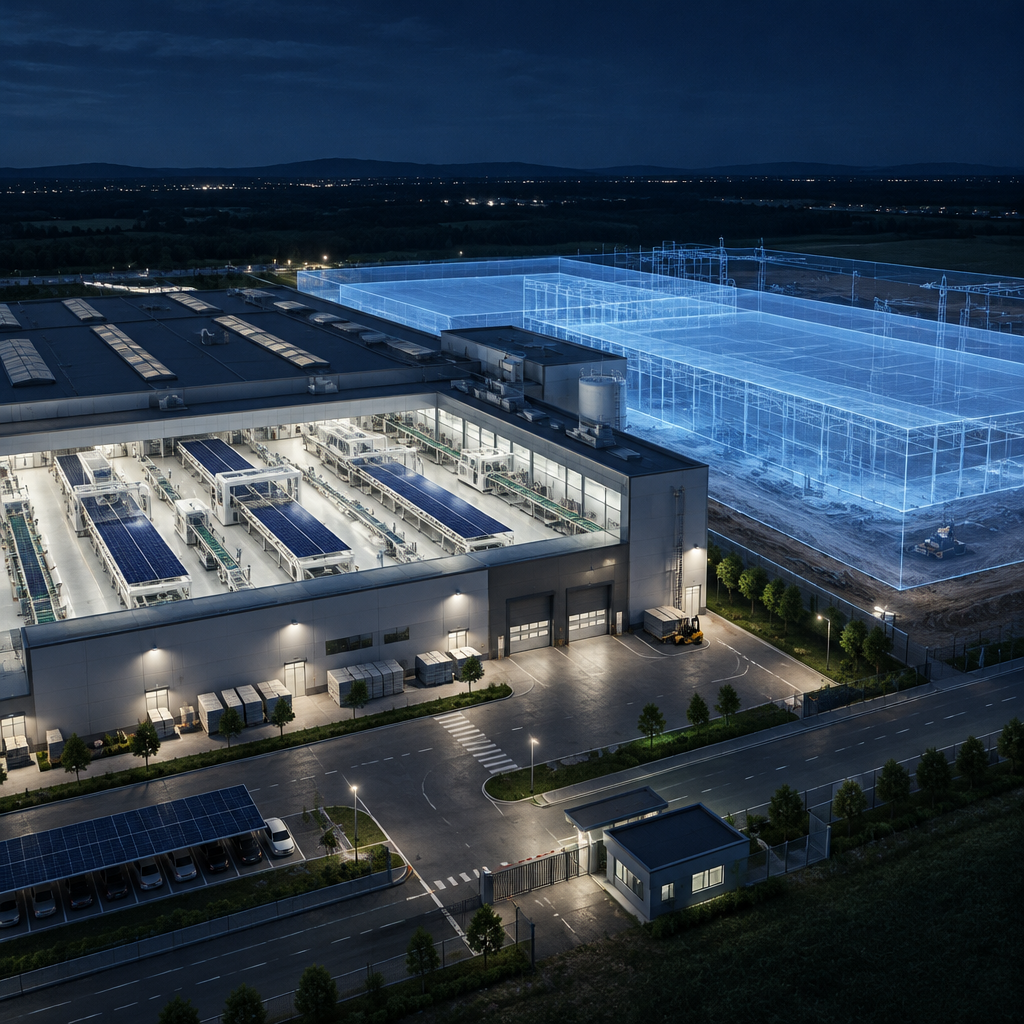
First Solar inaugurated the first phase of its Gaffney, South Carolina facility on October 28, 2026. The company says the site brings final production processes for Series 6 Plus modules to the United States, with those modules initiated by its international fleet. The opening is a current milestone; the larger capacity figure in the announcement describes a future phase.
First Solar’s announcement confirming the first-phase inauguration
Put the 3.4 GW figure on the correct phase
First Solar expects the approximately $330 million facility’s second phase to be completed by mid-2027. At that point, it expects annual nameplate capacity to double to 3.4 GW and production to include its CuRe technology. The company reports approximately 500 jobs already filled, while nearly 700 jobs are expected in connection with the expanded facility.
That wording does not establish that the second phase is complete today. Nor does the nameplate target, by itself, document actual shipments or a delivery date for a particular buyer. Keep the anticipated milestone attached to the number when summarizing the announcement.
Distinguish the invitation from the completed event
The company’s October 27 advance notice scheduled the inauguration for October 28. Its subsequent announcement confirms that the first phase was inaugurated. When reviewing older coverage, check whether the source describes what was scheduled or what subsequently happened.
First Solar’s October 27 advance notice, distributed through Business Wire
Use four separate questions in a supplier discussion
Start with the site milestone: which phase is open? Next ask about production scope: which product and manufacturing steps are associated with that phase? Then ask what output has actually been demonstrated over a stated period. Finally, ask how a proposed order connects to a specific delivery commitment.
These are proposed purchasing questions, not claims that First Solar has disclosed every answer in the opening release. A ceremony announcement can establish an event without supplying the production records, order allocation or shipping schedule needed for your own project.
Try a fictional project example
Imagine a buyer’s planning sheet with an invented delivery requirement of September 2027. One row contains a supplier’s expected June expansion milestone; another contains the buyer’s requested September shipment. Those dates belong to different events. The expansion expectation alone does not fill in the shipment row.
Before marking the order ready, ask what must happen between those events: product confirmation, an agreed production slot, inspection arrangements and shipment planning. Record the answer against the order rather than treating every product from an expanded site as interchangeable. This example is fictional and does not describe a First Solar order or promise.
If the anticipated expansion date changes, revisit the assumptions tied to it. Preserve the original expectation with its date and add the new information separately. That makes it easier for colleagues to see whether a project plan changed because the supplier’s milestone moved or because the buyer changed its requirement.
Keep the announcement useful without overstating it
For an internal update, separate confirmed events, company expectations and questions still requiring an order-specific answer. Use those categories consistently in the same presentation. A current opening and a future expansion can both be meaningful without being described as the same completed achievement.
The practical reading is straightforward: Gaffney’s first phase has been inaugurated; the larger annual capacity and technology expansion remain tied to the expected second phase. Review the latest company information before relying on that future milestone in a purchasing or project schedule.
Which milestone does the figure describe?