DTCC launched its Tokenization Service on October 28, 2026. The announcement describes a way for eligible users to convert securities entitlements held at DTC between traditional and tokenized forms. For an operations team, the next useful question is which movement the advertised availability actually describes.
Primary source: DTCC’s October 28 launch announcement
Keep the qualifiers beside 24/7
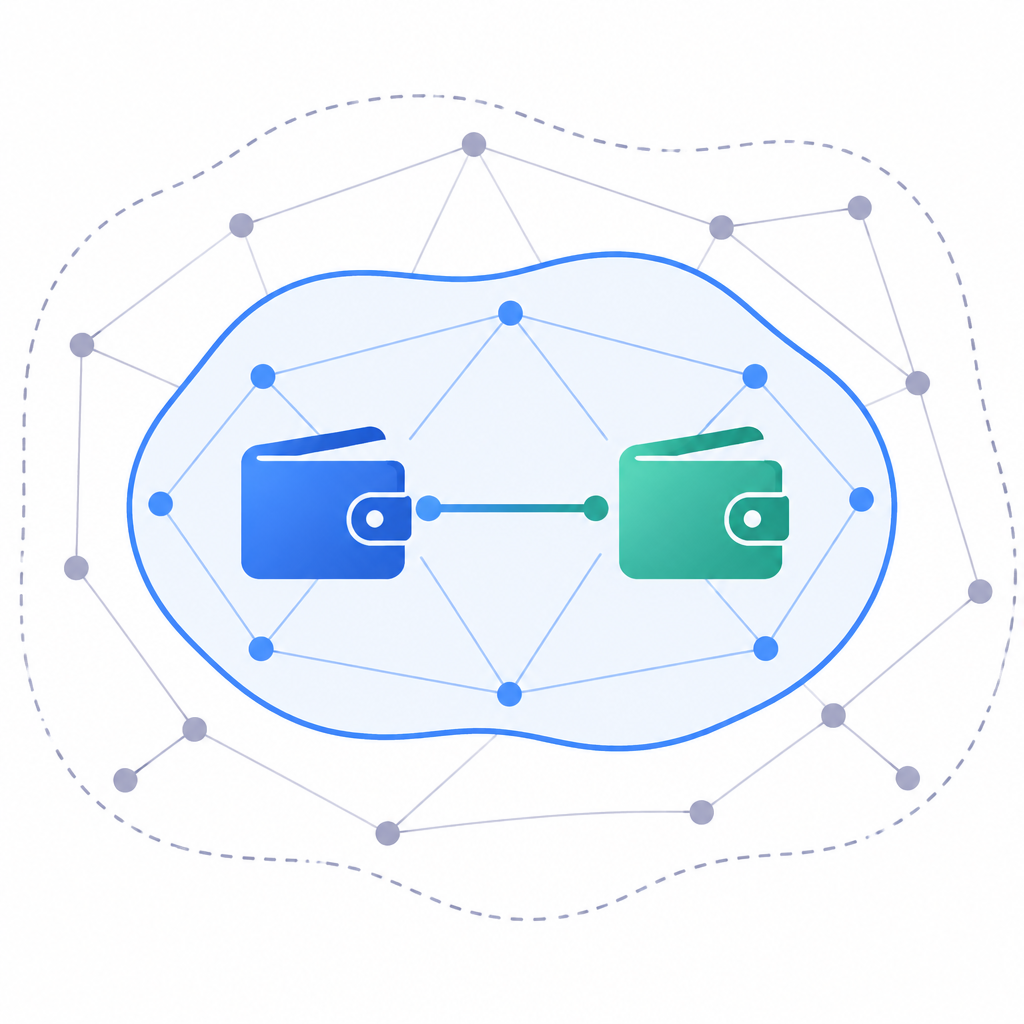
The current product page describes 24/7 intra-chain, peer-to-peer transfers between DTC-registered wallets. Keep all three qualifiers in a planning brief: the operation is a transfer, the scope is within a chain, and the endpoints are registered wallets. That wording alone does not establish round-the-clock availability for every conversion, destination or trading workflow.
Primary source: DTCC’s transfer scope
The launch announcement names the Canton Network and DTCC’s private Besu network as current integrations, with additional networks planned for 2027. An integration list is not, by itself, evidence that any requested cross-network route is available. Check the actual route with the service provider.
Try three fictional requests
Imagine an operations desk reviewing three invented requests. Request A is an intra-chain transfer between two wallets already confirmed as DTC-registered. Request B has an unverified receiving wallet. Request C asks to move between two different networks. Assume the securities and users are otherwise eligible; these examples are not actual client instructions.
A matches the narrow transfer description, but that is a scope match rather than proof that a transaction will succeed. B still needs evidence about the receiving wallet. C needs a documented route beyond the intra-chain description. A clock showing that it is the weekend resolves none of those remaining questions.
Make the handoff specific
For a proposed movement, record the asset, operation, source network, destination network, wallet identifiers and evidence of registration. Ask the provider to confirm the supported route, operating window and completion evidence for that exact operation. Keep any unanswered item visible before scheduling a test.
During an authorized trial, distinguish a submitted instruction from an accepted instruction and a completed movement. Preserve the provider’s status and reference alongside the requested route. This is a suggested evidence checklist, not a claim about a particular API, message schema or measured settlement time.
The practical lesson is to attach the availability claim to its documented scope. No wallet was connected and no asset was converted or transferred for this guide. The fictional requests explain how to read the launch description; they do not establish access for any individual or institution.
What Does the Transfer Description Establish?