Catalyx launched OpenLine on November 2, 2026, describing a platform that connects traditional and AI-driven machine vision, production devices and enterprise software. The company says it is available for global deployment. For a manufacturing team evaluating it, a useful demonstration starts with one inspection result and follows what happens next.
Catalyx’s November 2 OpenLine announcement
Ask for the complete sequence
According to the announcement, an inspection result can trigger an automated response or reach an operator for a decision, with actions captured digitally. That describes a connected workflow. A buyer can make the description concrete by asking the demonstrator to follow one event from detection through its final recorded outcome.
Catalyx’s OpenSystems page places OpenLine within its line-management family, alongside inspection, serialization and production-monitoring capabilities. Confirm the precise modules, equipment connections and configuration included in a proposed project rather than treating a family description as a project specification.
Catalyx OpenSystems: platform and product-family context
Prepare a five-field demo worksheet
- Input: identify the sample, inspection task and configuration used.
- Result: record what the inspection reported and the event identifier.
- Response: note the next action shown and the system responsible.
- Decision: if human review applies, identify the authorized role and its recorded choice.
- Evidence: locate the saved record and check whether it reconstructs the sequence.
These are original evaluation questions, not a claim about a tested OpenLine installation. Choose the example with the supplier and the people responsible for the process. A demonstration should make the proposed configuration understandable before a team commits to a wider evaluation.
Walk through a fictional packaging example
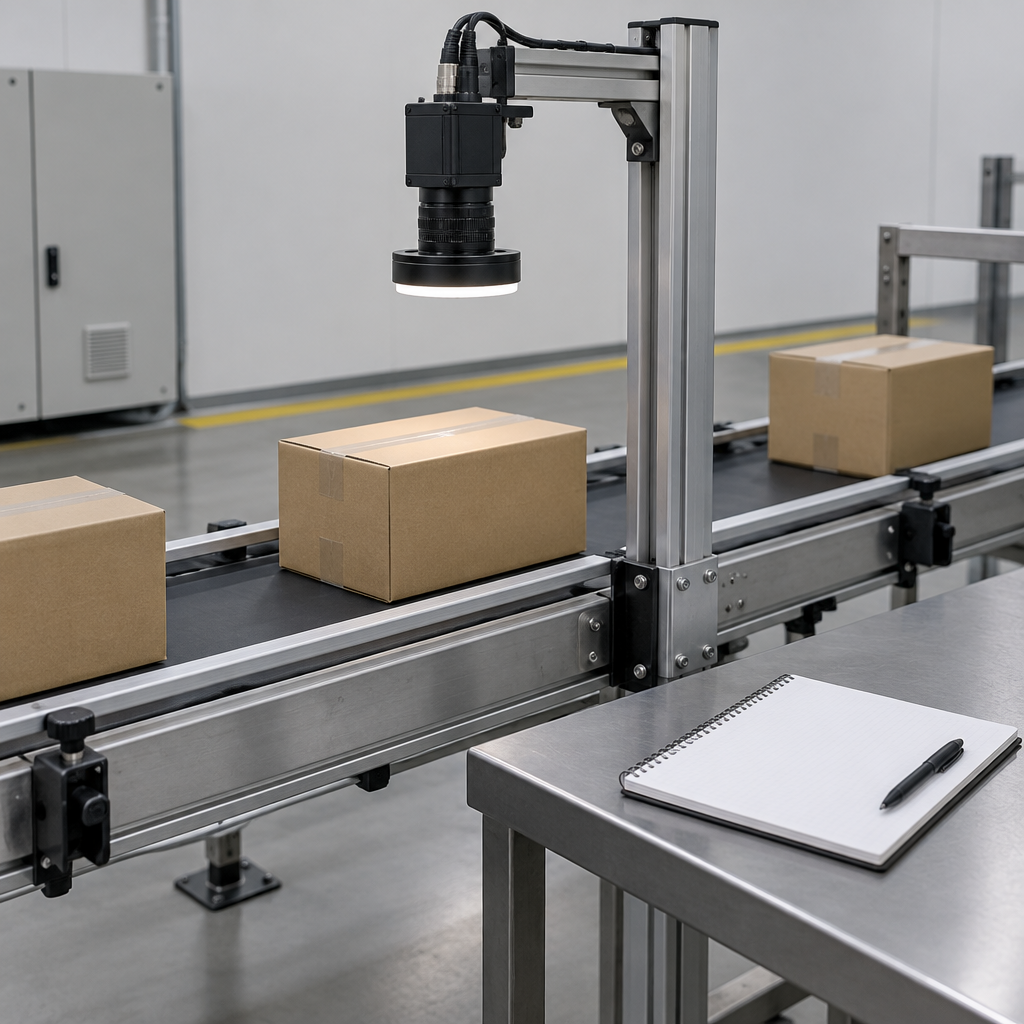
Imagine a fictional team reviewing printed lot information on cartons. In a demonstration, one agreed sample produces a result requiring review. The team asks which screen receives that result, who can make the next decision and where the decision is retained. It then asks the demonstrator to retrieve the same event from the saved record.
The exercise is about information flow; it does not prescribe how equipment should act. Keep a short list of what was shown, what was explained verbally and what still needs evidence. If a requested connection is absent from the demonstration, mark it unverified rather than filling the gap with an assumption.
Keep demonstration evidence separate from production results
Before discussing a broader pilot, agree on its scope, example types, observation period and completion criteria. Record unresolved questions and the person responsible for answering each one. This creates a reviewable next step without turning a successful demonstration into a claim about every production line.
Ask for project-specific integration details, access roles, record retention and support arrangements. Keep the proposed setup beside any performance evidence supplied later so reviewers can see whether the evidence concerns comparable conditions. No OpenLine account, machine, inspection model or production performance was tested for this guide.