Walmart Agent Profiles and Agent Gateway: what shoppers should verify
Walmart says it is preparing a new layer for agentic commerce: Agent Profiles for shoppers, an Agent Gateway for companies and developers, and updated terms for AI agents. In Walmart’s own announcement on October 21, 2026, the company said Agent Profiles are scheduled to launch “in the next month,” while the gateway is already in beta for companies and developers. Reuters also reported that the tools will be available to Walmart account holders without requiring Walmart+, and that Walmart is taking a more open approach than Amazon, which has restricted some third-party shopping agents. [Walmart] [Reuters]
This is not the same as saying every Walmart shopper can already hand over shopping to an AI. The announcement mixes current availability, next-month rollout language, and beta features. For consumers, the key question is not whether agent shopping sounds convenient—it is what exactly the agent is allowed to see, do, approve, and undo. [Walmart] [Reuters]
What Walmart says is coming for shoppers
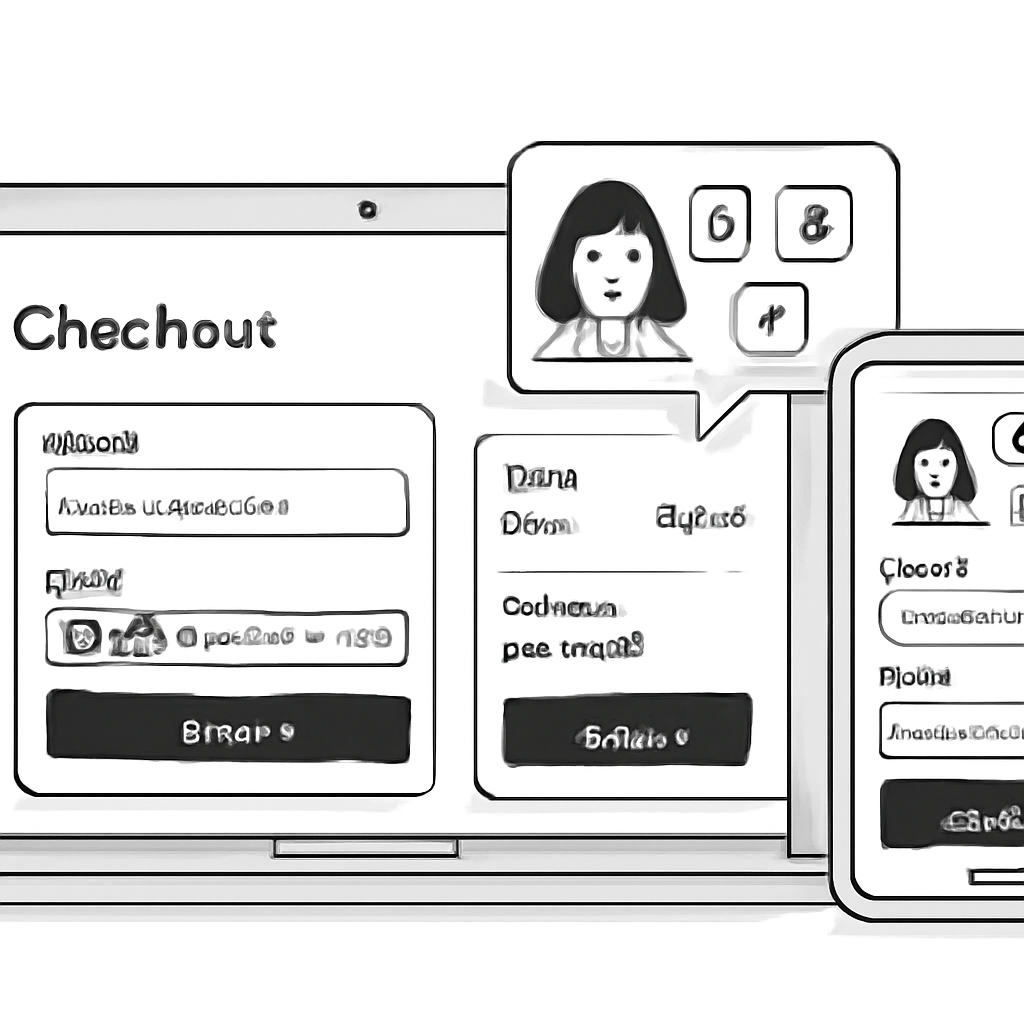
Walmart says each authorized agent will get its own dedicated Agent Profile. Purchases made through that profile can be viewed separately, shoppers can require approval for each purchase or set a spending limit, and the profile can be deleted or revoked. Walmart also says default approval is required, and that it may still ask for extra approval even when a purchase falls within a preset limit. [Walmart]
Walmart’s stated controls matter because they suggest a permission model rather than a blanket account takeover. But the practical experience will depend on how those controls are exposed in the app or checkout flow, and whether the user can review them in a clear, durable way before an agent is authorized. The company’s announcement is the starting point, not the final user manual. [Walmart]
What Walmart says agents can and cannot access
Walmart says agents cannot add or change payment methods and cannot receive payment-card data. The company also says agents may access only the information needed and allowed for the task, and that agents can be blocked for rule violations. In addition, Walmart says the same product pricing applies whether a human or an agent shops, with applicable offers and fees shown before purchase. That should not be read as a guarantee that recommendations, substitutions, or the final checkout outcome will always be identical between a human and an agent. [Walmart]
For privacy and security teams, the important boundary is narrow but not trivial: limiting payment exposure does not eliminate task-data exposure. A shopping agent may still receive enough information to complete a purchase request, compare items, or surface likely replacements. The real control question is which fields are exposed, for how long, and under what logged permissions. [Walmart]
What the Agent Gateway beta is for
Walmart says the Agent Gateway is in beta for companies and developers. According to the company, it will help agents find a customer’s usual items without disclosing broader purchase history or personal information to the agent. That is a meaningful claim, because it suggests the gateway is meant to support task completion while reducing unnecessary data sharing. [Walmart]
There is, however, a terminology issue developers should not gloss over. Walmart’s announcement expands MCP as “model text protocol,” while The Verge describes it as the Model Context Protocol. Do not guess which wording governs implementation. If you plan to build against the beta, verify the documentation and endpoint specifications directly before relying on either expansion. [Walmart] [The Verge]
Privacy boundaries: who controls which data
Walmart’s launch materials point to two separate privacy regimes. The agent provider’s privacy policy governs information shared with its app, while Walmart’s Privacy Notice governs information the agent supplies to Walmart. That means “Walmart alone sees account linking” does not mean the agent sees no task data. It only means the account-linking relationship itself is not necessarily visible to the agent provider in the same way as the shopper’s direct interaction with Walmart. [Walmart]
That distinction will matter to consumers and developers alike. If you authorize an agent, read both privacy documents, not just the retailer’s notice. You need to know what the provider can retain, infer, or reuse, and what Walmart can receive, log, or block based on the agent’s behavior. [Walmart]
7 checks before you authorize an AI to shop for you
- Agent identity and provider: Who built or operates the agent, and where will it be used? Confirm the exact app, company, and login flow.
- Allowed task: Is the agent limited to search, reorder, or full checkout? Narrower is safer.
- Approval mode: Will every purchase require approval, or only some purchases? Know the default.
- Spending limit: If you set a cap, what happens when the agent exceeds it or Walmart asks for extra approval?
- Item and substitution rules: Can the agent swap brands, sizes, pack counts, or add substitutes?
- Delivery, fees, and returns: Review how delivery windows, fees, tips, and return handling are shown before authorization.
- Revocation and audit: Can you delete the profile, revoke access quickly, and review a separate purchase history for the agent?
For most households, the safest setup is the one that limits the agent to a narrow task, requires approval for every purchase, and keeps substitutions tightly controlled. If you would not trust the agent to pick a replacement cereal on its own, do not give it permission to improvise on your entire cart. [Walmart]
Hypothetical household-grocery setup: the conservative option
Hypothetical: A family wants an AI to reorder paper towels, milk, and a specific brand of dog food. The safest setup would be: one dedicated agent profile, approval required for every order, a low spending limit even if the approval rule is later relaxed, no payment-method changes, no brand substitutions without confirmation, and a clear revocation step after each shopping session. That setup keeps the automation useful while minimizing surprise purchases and limiting data exposure.
In practice, that means using the agent as a draft assistant, not a free-spending shopper. If the workflow is truly beneficial, it should still work when you ask for the receipt, the fee breakdown, and the exact item list before any final click. [Walmart]
Market context: why this matters now
Forter’s own network data, updated October 8, says agentic orders were 24% higher from August to September, or 48% higher including newly detected agents, and that all agentic orders reached 5.3x early-August levels after Muse arrived. That is Forter-network data, not a measurement of the entire U.S. retail market, but it does suggest the category is moving quickly. [Forter]
What shoppers should watch before launch
The next month rollout is where the story becomes consumer-facing. Before you authorize any agent, verify the exact default approval behavior, what information the agent can see, whether spending limits are hard or soft limits, how substitutions work, and how quickly you can revoke access. Also check whether purchase records are separated cleanly by agent profile, because that will shape both household accountability and dispute handling. [Walmart]
The unresolved questions are just as important: how visible the beta will be in the consumer app, how much of the gateway’s behavior is standardized for developers, and whether Walmart’s implementation of MCP-style integration aligns with the language used in the announcement or in external technical references. Until the beta docs are public enough to inspect, treat implementation details as provisional. [Walmart] [The Verge]
FAQ
Q: Is Walmart Agent Profiles already available to every shopper? A: No. Walmart said Agent Profiles are scheduled for launch “in the next month,” so current availability should be treated separately from the announced rollout. [Walmart]
Q: Does Walmart+ matter? A: Reuters reported that the tools will be available to Walmart account holders without requiring Walmart+. [Reuters]
Q: Does Walmart’s pricing statement mean the final basket will always be identical? A: No. Walmart says the same product pricing applies and that applicable offers and fees are shown before purchase, but that does not guarantee identical recommendations, substitutions, or checkout outcomes. [Walmart]
Q: What is the biggest consumer risk? A: Over-authorizing an agent without understanding its approval mode, spending limit, substitution rights, and revocation path. [Walmart]
Q: Should developers build on the beta now? A: Only after verifying the beta documentation and endpoint specifications, especially because of the MCP terminology discrepancy. [Walmart] [The Verge]
Sources