Rocket Lab’s “The Sea God Surveys” mission delivered iQPS’s WADATSUMI-II satellite to orbit on November 3, 2026, New Zealand time. The operator subsequently reported successful first communication. For readers following Earth-imaging capacity, the next useful evidence is the satellite’s progress toward producing images.
What the two companies reported
Rocket Lab identifies the flight as Electron’s 99th mission and its tenth launch for iQPS. Its mission page lists a 575-kilometre low Earth orbit at 42 degrees inclination. The launch provider’s release says the orbit was tailored to support the operator’s Asia-Pacific revisit rates.
Rocket Lab’s mission-success announcement, dated November 2
The release’s November 2 date and the mission page’s November 3 launch date describe the same event in different date contexts. Rocket Lab gives liftoff as 5:41 a.m. NZDT on November 3; iQPS gives 1:41 a.m. JST. Both convert to 10:11 p.m. IST on November 2. That conversion is arithmetic, not another launch report.
Rocket Lab’s completed mission page
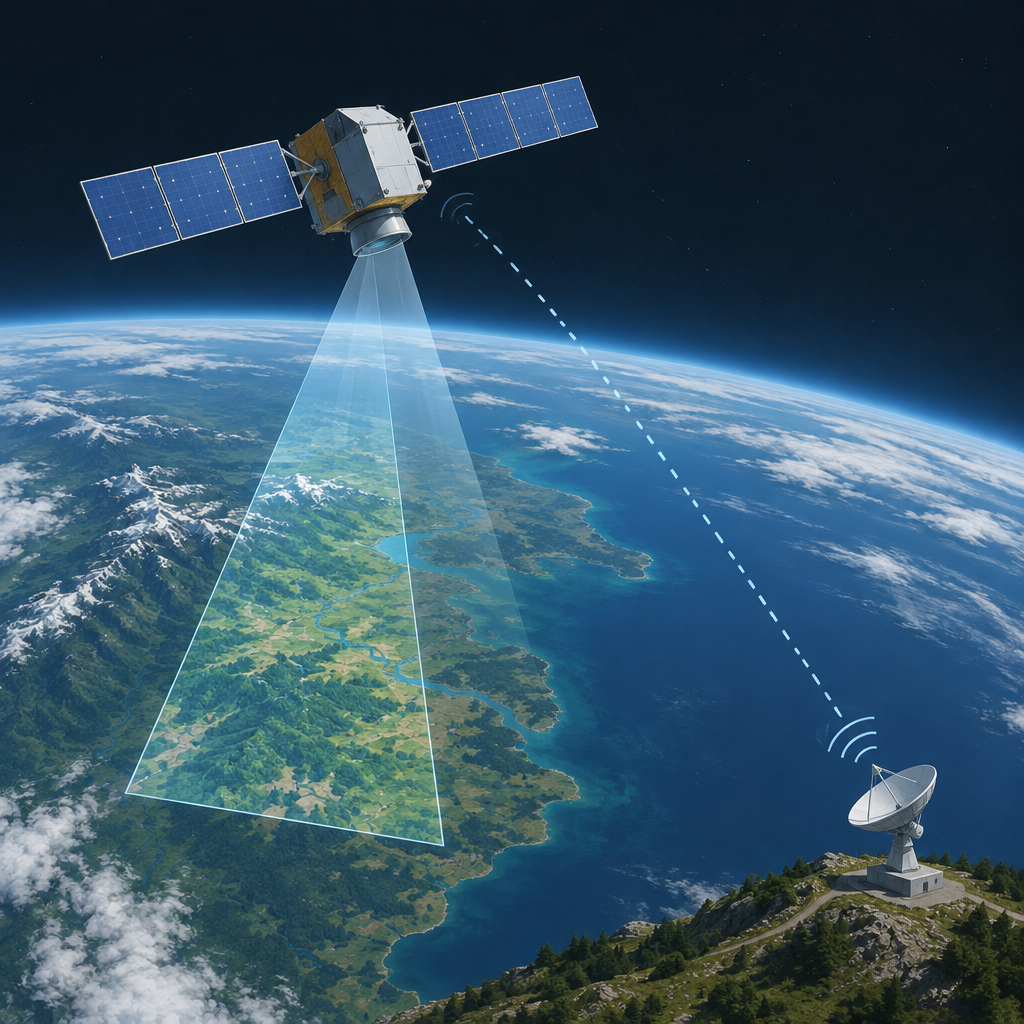
In its November 3 update, iQPS identifies the spacecraft as QPS-SAR-20, named WADATSUMI-II. It reports deployment approximately 50 minutes after launch and first communication around 30 minutes after deployment. The company says the equipment was working properly and the satellite was healthy. It then describes adjustments, antenna deployment and first-image acquisition as work to follow.
iQPS’s November 3 deployment and first-communication update
Use a milestone ledger
An original way to follow this mission is to keep a short ledger with four fields: milestone, dated source, exact claim and next evidence needed. Give launch, deployment, first communication and first images separate entries. This prevents a headline about one stage from silently filling in the later stages.
For this source snapshot, the first three entries have company reports supporting them. The first-image entry should remain pending in the ledger until a later source documents it. Do not turn that pending entry into a claim that the mission has failed or that no image exists anywhere; it describes the evidence reviewed here.
When a new update appears, preserve the earlier entry and add the new date. Check that the spacecraft identifier still says QPS-SAR-20 or WADATSUMI-II. A report about another satellite in the growing constellation would not resolve this spacecraft’s pending milestone.
Ask a separate question about usable data
A business considering imagery for a particular location needs a more specific answer than “the launch succeeded.” Ask which satellite or service supplies the proposed product, what area and acquisition date it covers, and when the deliverable can be obtained. Request a relevant sample and the applicable product terms before planning work around it.
Those are proposed buyer questions, not findings from a service trial. This article does not verify image quality, a delivery commitment or a change in customer availability. The current reports support a successful launch and early spacecraft contact; future updates can supply the next pieces of the operational record.