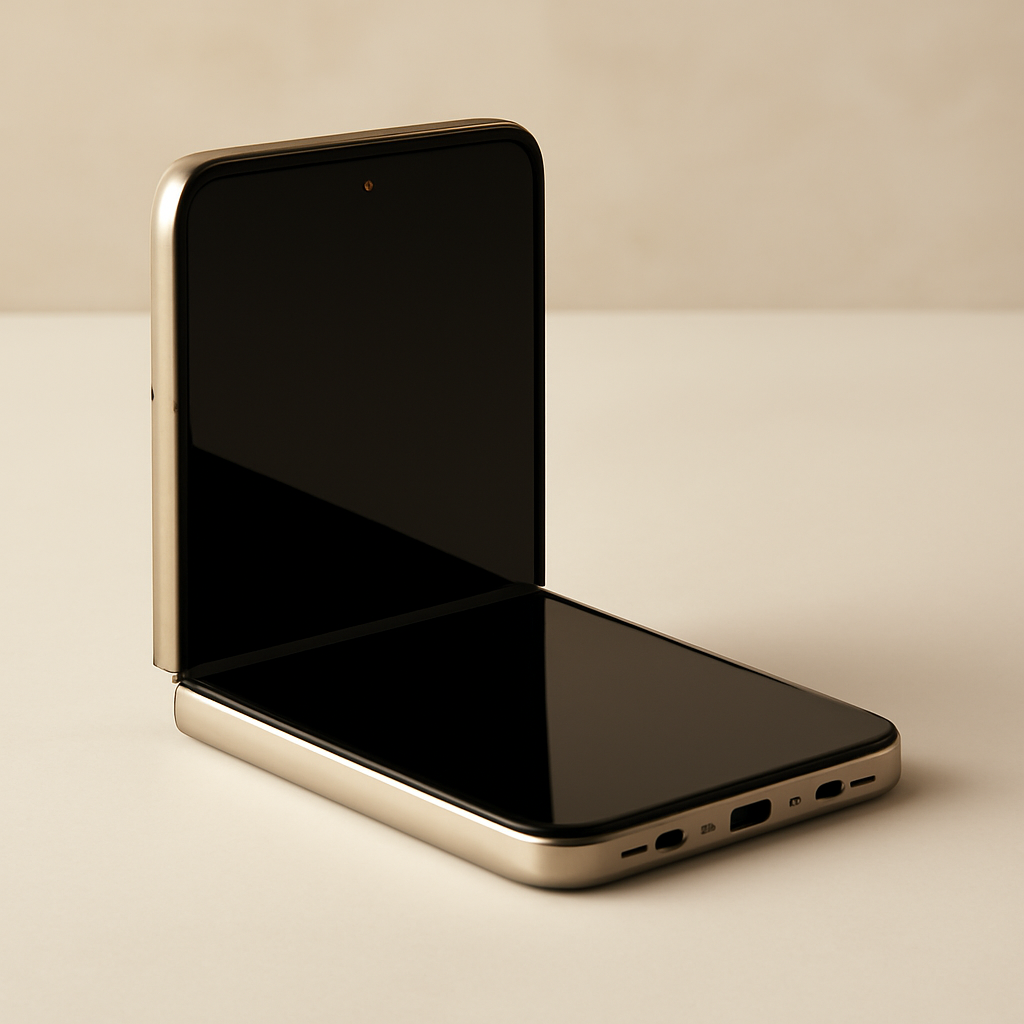
What is verified on launch day, October 23, 2026 IST?
Apple’s first foldable iPhone, the iPhone Duo, goes on sale today, October 23, 2026. Apple’s official starting price is $1,999 in the US and ₹2,99,900 in India. Apple also says only limited walk-in stock will be available at launch. Independent reporting says delivery estimates on online orders slipped into 2027 after preorders opened, which points to a mix of strong demand and constrained supply. That is not the same thing as proving the product will be a long-term commercial hit.
If you are deciding between buying now, waiting a few weeks, or choosing a conventional flagship, the right answer depends less on hype and more on how you will actually use the device, what the total bill will be, and how comfortable you are with first-generation hardware trade-offs.
The eight checks that matter before you pay
1) Real availability and delivery date
The first question is simple: can you actually get one today, and if not, when will it arrive? Apple says stock is limited, and online estimates have reportedly moved well beyond launch week. That matters because a preorder that slips by months is not the same as a true launch-day purchase. If you need the phone immediately, confirm the in-store pickup window or shipping estimate before you commit.
2) Total out-of-pocket cost
List price is only the starting point. US buyers should account for local sales tax, any carrier subsidy conditions, trade-in value, activation fees, and financing terms. Indian buyers should likewise check the final bill including taxes, exchange offers, EMI charges if any, and service-plan differences. Do not assume the effective price is comparable across the US and India just because the headline number is known in both markets.
Apple’s official India storage prices are ₹2,99,900 for 256GB, ₹3,24,900 for 512GB, ₹3,74,900 for 1TB, and ₹4,49,900 for 2TB. That makes storage choice a major budget decision, especially for buyers who plan to keep the phone for several years.
3) Inner-display vs outer-display use case
The iPhone Duo has a 7.6-inch inner display and a 5.4-inch outer display. Before you buy, ask whether you will use the larger inner screen enough to justify the foldable premium. If your everyday use is mostly messaging, calls, maps, and short app checks, the outer display may cover much of your routine. If you regularly read, edit, multitask, or watch video on a larger screen, the inner display is the main reason to consider the device at all.
4) App optimization and day-one software fit
A foldable phone is only as useful as the apps you rely on. Some apps will feel natural on a larger folding screen; others may still favor the conventional phone layout. If your work depends on a specific banking app, productivity tool, social platform, or creator workflow, check whether it already behaves well on foldable displays. The best hardware in the world does not help if your key apps are not optimized for it.
5) Camera trade-offs
Apple’s verified camera setup includes a 48MP main camera and a 48MP ultra-wide camera, with no dedicated telephoto lens. That is an important trade-off at this price. If you routinely shoot distant subjects, portraits that benefit from optical zoom, or travel scenes where telephoto matters, a conventional flagship with a stronger zoom system may suit you better. If your photography is mostly everyday, wide-angle, and social sharing, the dual-camera approach may be enough.
6) Battery behavior on inner vs outer display
Apple says video playback can last up to 44 hours on the outer display and up to 31 hours on the inner display. That gap is your clue: the foldable experience can cost more power when you use the larger screen. Heavy inner-display use may be worth it for productivity or media, but it can also be the fastest way to shorten your day between charges.
7) Hinge, display durability, and protection
The iPhone Duo carries IP68 water and dust resistance, but a foldable design still introduces moving parts and a large internal display that needs more care than a standard slab phone. Consider whether you are comfortable with a more delicate device in pockets, bags, and daily commutes. Cases and screen protection may also be more limited or more expensive than on mainstream flagships, so check accessory availability before you buy.
8) First-generation risk and reasons to wait
First-generation devices can be exciting, but they also carry higher uncertainty: initial software quirks, accessory gaps, repair complexity, resale uncertainty, and the possibility that the next revision improves battery life, durability, or camera balance. If you are not an early adopter, waiting 30 to 90 days can give you a better read on real-world reliability and stock stability. If you want the novelty but not the launch stress, waiting is the safer move.
Quick comparison: iPhone Duo now or a conventional flagship?
- Buy iPhone Duo now if you want the foldable form factor, can live with limited early stock, and are comfortable paying a premium for a first-generation device.
- Wait 30–90 days if you want better availability, more user feedback, and a clearer sense of software and durability.
- Choose a conventional flagship now if your priority is zoom photography, simpler repairability, lower risk, or a more predictable total cost.
Simple decision rubric
- Buy now: you have confirmed stock, you want the foldable screen specifically, and the total bill fits your budget.
- Wait 30–90 days: you like the idea but want more reviews, more app confirmation, and less launch-day uncertainty.
- Skip this generation: you mainly want the best camera value, the longest proven durability, or the lowest-risk purchase.
Concise comparison table: iPhone Duo vs a conventional flagship
- iPhone Duo: foldable 7.6-inch inner display, 5.4-inch outer display, first-generation risk, limited launch stock, premium pricing.
- Conventional flagship: simpler design, typically less launch uncertainty, often stronger zoom-camera options, usually easier accessory and repair ecosystem.
- Best fit for Duo: buyers who value the large inner screen and are comfortable being early adopters.
- Best fit for conventional flagship: buyers who want stability, camera flexibility, and a more familiar phone experience.
Bottom line
The iPhone Duo is a major launch, but it is not an automatic buy. The verified facts are clear: it starts at $1,999 in the US and ₹2,99,900 in India, stock is limited, and online delivery estimates have reportedly slipped into 2027. If you truly want a foldable iPhone and can get one at a price you can justify, buying now makes sense. If you are unsure, waiting is rational. If you do not specifically need a foldable screen, a conventional flagship is still the lower-risk choice.
Sources
Apple Newsroom, Sept. 9, 2026 — Apple Unveils iPhone Duo
Apple Newsroom update, Oct. 15, 2026 — Open Up to New Possibilities with iPhone Duo
Apple India store product page, accessed Oct. 23, 2026 IST — iPhone Duo
CBS News, updated Oct. 22, 2026 — iPhone Duo pre-order sales and delivery estimates
Reuters Technology, Oct. 22, 2026 — technology coverage listing