What GitHub changed on November 16
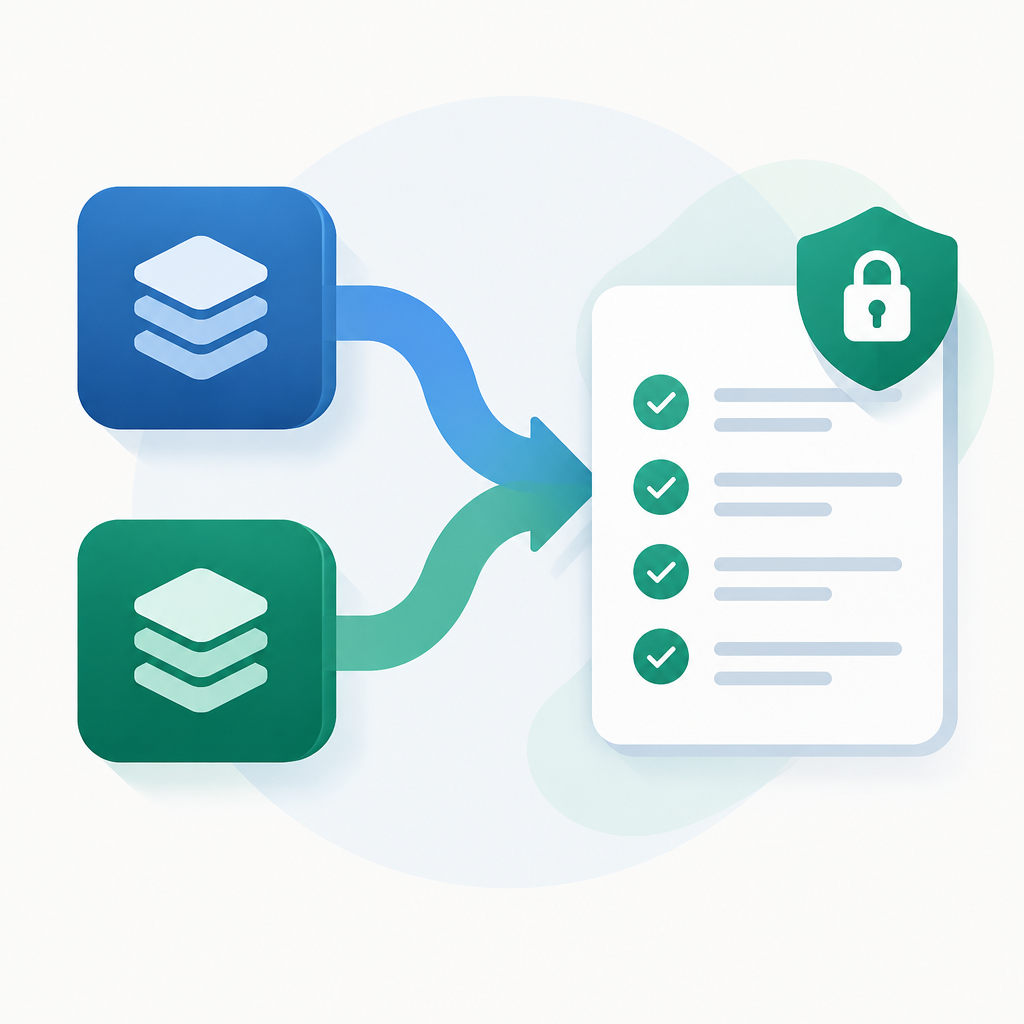
GitHub’s November 16, 2026 changelog introduced a public preview that can start AI Scan for up to 20 selected repositories at once. If you manage application security for an organization, start with two eligible repositories. The pilot can show whether your team can confirm both runs finished and handle the resulting alerts before you add more repositories.
Bulk start is not the same as enabling coverage
AI Scan examines the default branch on demand, runs independently of CodeQL, and puts its findings in the code scanning backlog. Enabling the feature makes it available; starting a scan is a separate action. GitHub lets you select repositories to scan when enabling the feature for the organization or start a batch later from the organization’s code scanning alerts page. You don’t need a Copilot license, but scans consume Code Security AI credits. Private and internal organization repositories require GitHub Code Security or GitHub Advanced Security.
It is also important to distinguish backlog findings from AI Scan on pull requests. Repository backlog AI Scan looks at the default branch on demand, while pull-request scanning is a separate workflow. Findings from either path should be treated as leads for manual review, not as proof that a repository is secure.
A cautious two-repository pilot
For a fictional but realistic pilot, a security owner could choose two small eligible repositories, such as finance-tools-api and internal-notifications-lib. Before starting, confirm repository visibility, verify the organization has the required entitlement, and check that there is enough credit budget for the pilot. Also assign designated reviewers so alerts do not sit unattended in the backlog.
A useful rollout record would note which default branch was in scope for each run, whether the scan finished, the visible credit use if GitHub surfaces it in your environment, and who owns triage. For example, finance-tools-api may complete with no findings, which should be recorded simply as completed with no alerts observed, not as a security guarantee. internal-notifications-lib may return a small set of findings that the reviewer logs as triage items for manual validation.
When to expand the pilot
Expand only when both runs have a documented result and each repository has a reviewer who can handle the findings. If one scan did not finish, settle that first. Review an alert against the code before acting on it, then plan a manual rescan after any fix reaches the default branch.
GitHub changelog: Bulk start AI Scan for repositories
GitHub Docs: AI Scan for repositories
GitHub Docs: Viewing and managing AI Scan alerts